_edited.png)

About Little Habits
Welcome to Little Habits!
I’m a Board Certified Behavior Analyst® (BCBA®) with over 5 years of experience supporting children with autism and developmental disabilities. At Little Habits, I create thoughtfully designed resources, visual supports, and individualized consultation services to help children build communication, social, adaptive, and independent living skills.
Whether you’re a parent, teacher, therapist, or homeschool educator, you’ll find practical, evidence-based strategies and tools that can be used in everyday life. My goal is to empower the adults supporting children by providing guidance, coaching, and resources that make meaningful progress feel achievable.
Everything here is created with purpose, compassion, and a deep understanding of how small, consistent habits can lead to big, lasting changes.
Let’s help your little ones thrive, one habit at a time!

Bailey Morton M.A., BCBA®, LBA

My Services
Helping caregivers and ABA clinics in Georgia build effective behavior support strategies that promote meaningful progress and long-term success. Book a free 15 minute discovery call to see if we are the right fit!

Personalized video consultation for Georgia families with children ages 18 months - 6 years old to learn skills that you can use in everyday life to help your child with autism learn and grow. Together, we'll address challenging behaviors, strengthen communication and social skills, support toilet training, and build the foundational skills needed for a successful transition to school. Each meeting is tailored to your child's unique strengths and needs, providing practical strategies that fit naturally into your routines.

Comprehensive remote consulting services for ABA organizations seeking clinical support. Services include client onboarding, program development, case study review, BCBA mentorship, clinical supervision, staff training, and process improvement. Whether you're launching a new clinic or strengthening existing services, expert guidance can help improve outcomes for both clients and staff. In-person consulting services in the Metro-Atlanta area can be discussed on a case-by-case basis.
Explore My Store
Here you’ll find printable visuals made to support kids and families through play, learning, and everyday moments.
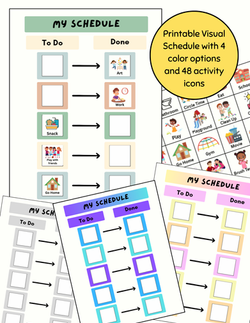 Visual Schedule | 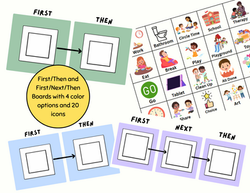 First/Then Board |  FREE Communication Cards | 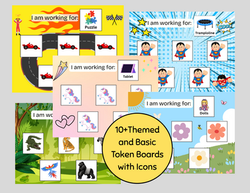 Token Boards |  FREE Focus/Break Cards |  Event Sequencing |
|---|---|---|---|---|---|
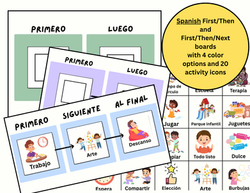 Spanish First/Then Board | 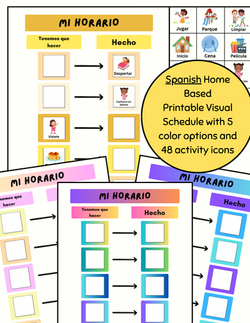 Spanish Visual Schedule |  Home Based Visual Schedule | 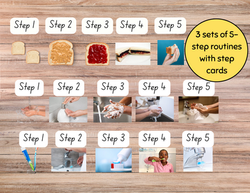 Sequencing Cards |
Blogs
Explore my latest blog posts for insights on behavior intervention tips, how to incorporate visuals into your routines, and more!

Discover how Applied Behavior Analysis (ABA) empowers young learners with autism to develop communication, social, and daily living skills that last a lifetime.

Learn how visual supports can reduce anxiety, improve communication, and build independence for children with autism. Discover practical ways to use visuals every day.

Discover why consistent routines help children with autism feel secure, reduce anxiety, and build independence. Learn practical tips for creating structure at home.

Have Questions? Send me a message!